Wetaskiwin Top Rated Vinyl Wrapping: Creative Car Wrap Services
Enhance Your Brand With Professional Vinyl Wrapping Services
Vehicle wrapping has become a powerful method for businesses looking to improve their brand presence. This service converts ordinary vehicles into impressive mobile advertisements. Industry experts employ top-grade materials, guaranteeing lasting quality and a refined finish. With multiple colors and designs offered, each wrap can be tailored to reflect a brand's identity. However, comprehending the complexities of this process and its effect is crucial for making smart choices. What should brands evaluate before starting this journey?
Comprehending Vinyl Wrapping: Its Nature and Working Process
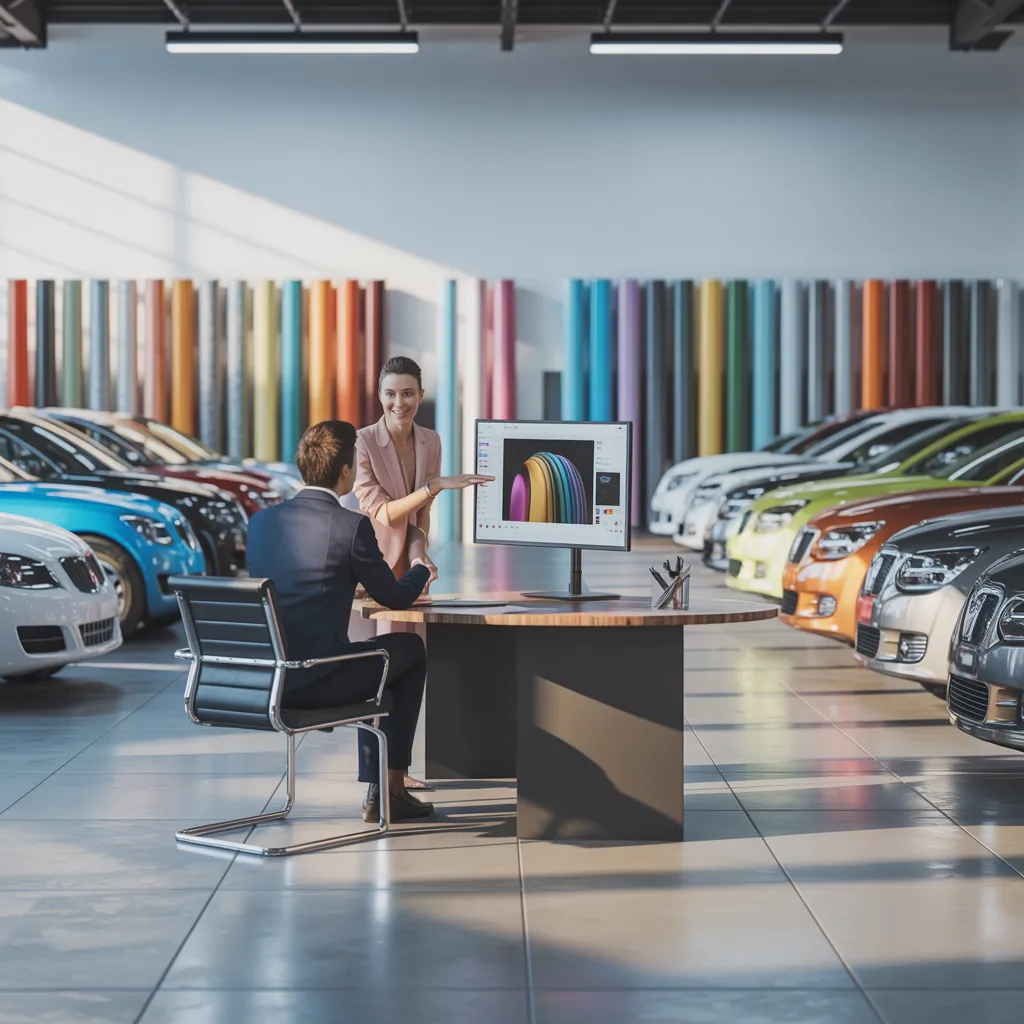
Vinyl wrapping represents a transformative method employed to cover surfaces, especially vehicles, using a durable, adhesive vinyl material. This procedure consists of applying a thin layer of vinyl film that can modify the appearance of the surface below it without necessitating a complete paint job. The vinyl is available in a wide range of colors, finishes, and textures, enabling comprehensive customization.
Installation typically requires careful surface preparation, ensuring that the area is free from debris and clean. The vinyl is then carefully applied using specialized tools to guarantee a smooth, bubble-free finish. Once bonded, the vinyl is often heat-treated to conform perfectly to curves and contours.
Vinyl wrapping not only elevates appearance but also serves as a safeguarding layer, guarding the underlying surface from scratches, UV rays, and external conditions. This cutting-edge method has earned popularity across various industries, making it a versatile option for personal and professional applications.
Why Your Brand Benefits from Vinyl Wrapping
Utilizing vinyl wrapping can substantially increase brand visibility and recognition. This modern marketing method transforms vehicles, storefronts, and other surfaces into captivating displays that draw attention. The vibrant colors and custom designs of vinyl wraps allow brands to effectively communicate their identity and message, distinguishing them from competitors.
Furthermore, vinyl wrapping is a affordable alternative to conventional advertising strategies. It presents a comparatively low-cost way to reach a large audience without the ongoing financial burdens associated with other forms of advertising.
In addition, the longevity of vinyl wraps presents lasting advantages. They shield surfaces from damage and deterioration, maintaining the underlying material while sustaining a polished appearance.
This blend of visual appeal, value for money, and durability makes vinyl wrapping an vital tool for businesses aiming to enhance their brand image and reach potential customers in a impactful way.
Types of Vinyl Wraps: Selecting the Best Choice
Upon selecting a vinyl wrap, knowing about the different types available is important. Options range from matte and glossy varieties to dedicated vehicle wraps and color change alternatives. Each variety offers specific aesthetic and functional benefits, making it essential to select the right one for particular needs.
Matte versus Gloss Finishes
Selecting between gloss and matte finishes can substantially impact the total appearance of a vehicle's vinyl wrap. Gloss finishes provide a lustrous, reflective surface that intensifies colors and makes them appear vibrant. This option can provide a sleek, polished look, often associated with luxury and modernity. On the other hand, matte finishes deliver a non-reflective, subtle appeal that expresses sophistication and uniqueness. This finish can create a more muted aesthetic, highlighting texture and design details as opposed to color vibrancy. In the end, the choice between gloss and matte should match brand identity and the desired visual impact. Understanding these distinctions allows businesses to pick the right finish that appeals to their target audience and strengthens their overall branding strategy.
Expert Automotive Wraps
Vehicle wraps are available in several different forms, all created to meet specific needs and preferences. As an illustration, commercial wraps are excellent for businesses seeking to promote their brand through attention-grabbing graphics. These wraps effectively transform vehicles into mobile advertisements, increasing brand awareness. In contrast, protective wraps offer a layer of defense against scratches, UV rays, and environmental factors, protecting the vehicle's original paint. Moreover, textured wraps, such as carbon fiber or brushed metal, provide a unique aesthetic appeal, catering to those seeking a distinctive look. Finally, essential information perforated window films permit advertising on windows while maintaining driver visibility. Choosing the right type of wrap depends on the desired outcome, whether it be branding, protection, or personalization.
Color Alteration Alternatives
Color change options in vinyl wraps offer a versatile way for vehicle owners to customize their vehicles while improving their aesthetic appeal. Multiple kinds of vinyl wraps are available, including gloss, matte, and satin finishes, each delivering a unique look. Gloss wraps deliver a shiny, reflective appearance that exudes sophistication, while matte wraps present a more understated, modern style. Satin finishes merge elements of both, delivering a soft sheen that maintains elegance without being overly shiny. Additionally, owners can select from a wide range of colors, patterns, and textures, enabling creative expression. Ultimately, choosing the right vinyl wrap hinges on personal preference and the desired impact, making it essential for vehicle owners to explore options thoroughly before making a decision.
The Vinyl Wrapping Process: What You Can Expect
The vinyl wrapping process involves several essential stages that guarantee a successful application. To begin, clients take part in a consultation to explore their objectives and desires, followed by choosing the suitable materials. Lastly, the installation techniques utilized will be explained to offer a clear understanding of the method.
Initial Consultation Steps
When embarking on a vinyl wrapping project, clients can expect a systematic initial consultation that establishes the foundation for a successful transformation. During this consultation, professionals engage in an in-depth discussion to comprehend the client's vision, branding goals, and specific objectives. They analyze the vehicle or surface to be wrapped, recording dimensions and any unique features. Clients are encouraged to share design ideas, colors, and branding elements they wish to incorporate, enabling a collaborative approach. In addition, this consultation provides an opportunity to discuss timelines, budget estimates, and any logistical considerations. By establishing effective communication and mutual understanding, the initial consultation creates the groundwork for a seamless vinyl wrapping experience suited to the client's needs.
Choices for Material Selection
After establishing the project's vision during the initial consultation, the next step involves selecting the appropriate materials for the vinyl wrap. Several alternatives are offered, each providing unique properties that can enhance the final appearance and durability. Common materials include cast vinyl, praised for its flexibility and longevity, and calendared vinyl, which is usually more budget-friendly but less durable. Additionally, finishes such as matte, gloss, or satin can greatly impact the aesthetic appeal. Consideration should also be given to the environmental conditions the wrapped surface will endure, guiding the choice of material. Eventually, selecting the right vinyl confirms that the wrap fulfills its intended purpose while maintaining visual integrity over time.
Installation Methods Explained
Grasping the installation techniques is essential for achieving a flawless vinyl wrap. The process typically commences with comprehensive surface preparation, which includes cleaning and priming the vehicle to guarantee proper adhesion. After preparation, trained professionals calculate and cut the vinyl to fit specific surfaces accurately. The application entails using heat to make the vinyl malleable, enabling it to conform to curves and contours effortlessly. Specialists use tools like squeegees to eradicate air bubbles and ensure a smooth finish. Post-installation, a curing period is essential for optimal adhesion. Finally, a quality inspection verifies that the wrap meets standards. Mastery of these procedures greatly impacts the longevity and appearance of the vinyl wrap, transforming vehicles into impressive branding tools.
Success Stories: Companies That Transformed With Vinyl Wrapping
While many businesses seek innovative ways to enhance their brand visibility, several have found remarkable success through vinyl wrapping. As an example, a local coffee shop selected bold, compelling visuals that converted their delivery vehicles into mobile advertisements. This tactical move not only enhanced foot traffic but also strengthened their local presence.
Another compelling illustration includes a tech startup that leveraged custom vinyl wraps to redesign their office space. By developing a dynamic environment with branded graphics, they encouraged creativity and enthusiasm among employees, leading to enhanced productivity and collaboration.
Furthermore, a fitness center employed vinyl wrapping to create a stunning exterior, attracting new members and improving its reputation in the community. These success stories illustrate how vinyl wrapping can effectively elevate brand visibility, engage customers, and create lasting impressions, making it a worthwhile tool for businesses across different industries.
Advice for Maintaining Your Vinyl Wrap for Extended Life
Organizations that have successfully transformed their brand visibility with vinyl wrapping can make the most of the benefits of their investment through adequate maintenance. Regular cleaning is necessary; using a gentle soap and water solution aids in remove dirt and grime without harming the vinyl. It is best to avoid abrasive cleaners or scrubbing tools, which can lead to scratches. Moreover, organizations should position vehicles in shaded areas where feasible to minimize sun exposure, reducing fading and degradation over time.
Inspecting the wrap regularly for signs of wear, such as peeling or bubbling, enables early intervention and repair, stopping further damage. Additionally, avoiding high-pressure washing can protect the integrity of the vinyl. By adhering to these maintenance tips, businesses can confirm their vinyl wraps remain vibrant and effective, increasing the lifespan of their investment and boosting brand visibility.
Questions & Answers
How Long Will Vinyl Wrapping Typically Remain on Vehicles?
Vinyl wraps usually last approximately five to seven years, influenced by several factors like sun exposure, regular maintenance, and the caliber of the installation. Appropriate maintenance can extend its lifespan considerably.
Can You Remove Vinyl Wraps Easily Without Causing Surface Damage?
Vinyl wraps are usually easy to remove without damaging the original surface, given that they are removed cautiously and at the correct temperature. Correct procedures and tools can help guarantee that the vehicle's initial finish remains preserved.
Are Vinyl Wraps Ideal for Outdoor Advertising Purposes?
Vinyl wraps are indeed suitable for outdoor advertising. These materials are built to endure diverse weather situations, supplying resilience and brilliant visual displays. Proper installation and quality materials enhance their effectiveness in drawing focus to outdoor marketing efforts.
What Colors and Finishes Are Available for Vinyl Wraps?
Vinyl wraps are available in a wide array of colors and finishes, including satin, gloss, matte, and textured options. Users can choose bold colors or understated tones to complement their branding or aesthetic preferences effectively.
Is Vinyl Wrapping Sustainable or Recyclable?
Vinyl wrapping is generally not considered environmentally friendly, as it is created from PVC, which is difficult to recycle. However, some companies are developing more sustainable solutions, focusing on sustainable materials and responsible disposal procedures.